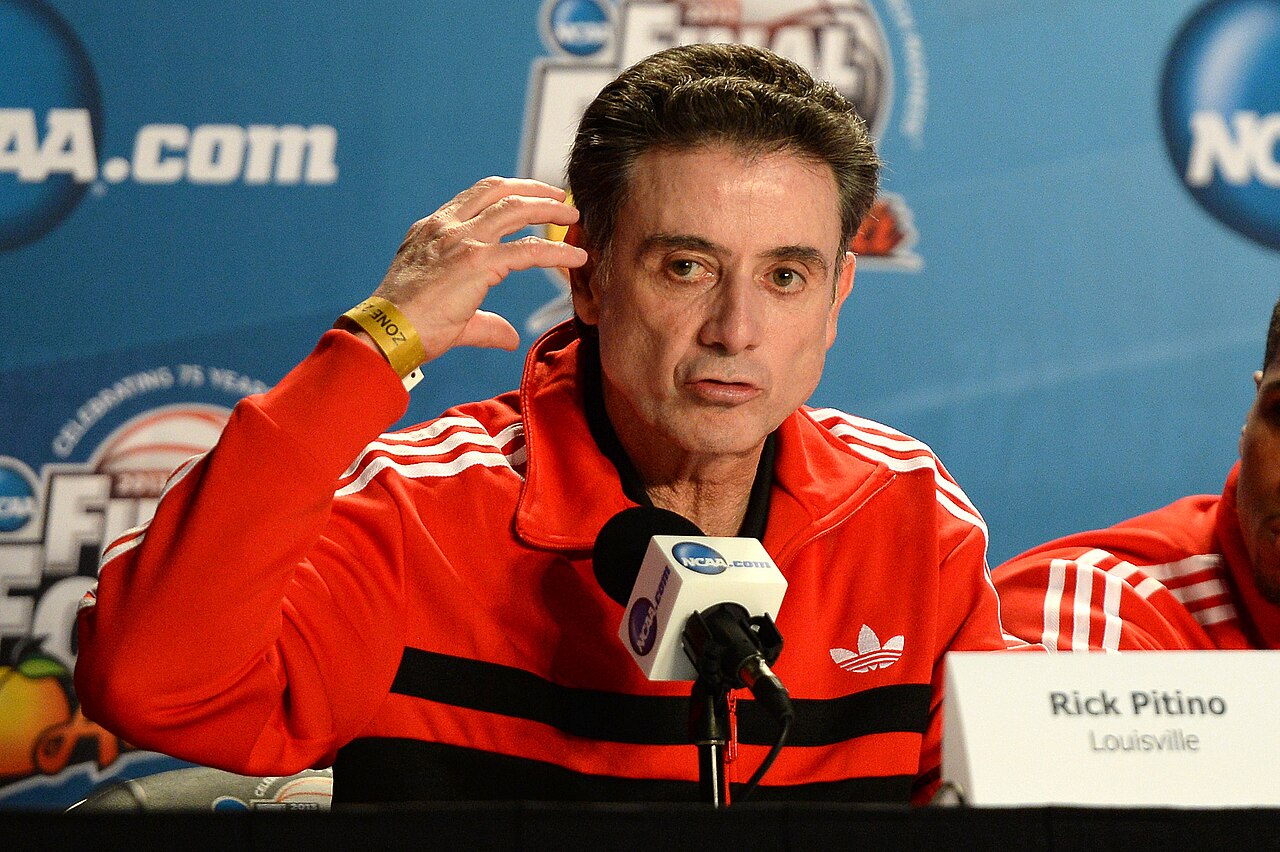
The Tumultuous Timeline: Understanding the Rick Pitino Scandal Explained
Rick Pitino, a name synonymous with unparalleled success in college basketball coaching, also carries a complex and often controversial legacy. A Hall of Famer who led both the Kentucky Wildcats and Louisville Cardinals to national championships, Pitino’s illustrious career has been punctuated by a series of scandals that ultimately led to his dramatic exit from the University of Louisville. This article provides a comprehensive Rick Pitino Scandal Explained timeline, detailing the major controversies that overshadowed his coaching brilliance and shaped his complicated narrative.
From a federal extortion plot to shocking allegations of recruiting misconduct and a sweeping FBI investigation, Pitino’s tenure at Louisville was a roller coaster of highs and lows. While his coaching prowess was undeniable, his leadership repeatedly came under scrutiny, raising questions about institutional control and the ethical environment within his programs. Understanding these events is crucial to grasping the full scope of one of college basketball's most prominent figures.
The 2010 Extortion Attempt: A Personal Ordeal
The first major scandal to publicly embroil Rick Pitino involved a deeply personal matter that escalated into a federal extortion case in 2010. This incident cast a shadow over his private life but ultimately saw him emerge as a victim of a criminal plot.
The Affair and its Aftermath
In 2003, Pitino, who is married, admitted to a single sexual encounter with Karen Sypher, then married to the equipment manager for Louisville and Pitino’s former personal assistant, Tim Sypher. Following the encounter, Karen Sypher contacted Pitino, claiming to be pregnant. Pitino testified in court that he gave her $3,000, which she used for an abortion. This payment, intended to resolve a personal crisis, laid the groundwork for future demands.
The Extortion Plot Unfolds
Years later, in February 2009, the situation resurfaced dramatically. Pitino received ominous voicemails from a friend of Karen Sypher’s, threatening to publicize false rape allegations against him. This was followed by a direct meeting where Karen Sypher presented Pitino with a list of demands, including college tuition for her children, two cars, and the payoff of her mortgage. The message was clear: silence came at a significant price.
Pitino, denying the rape charge and refusing to succumb to the blackmail, reported the threats to authorities. A criminal complaint was filed against Karen Sypher, accusing her of attempting to extort the coach. The case went to trial in 2010, where Pitino testified about the events. Karen Sypher was subsequently found guilty of several counts of extortion and making false statements to the FBI. This episode, while deeply embarrassing for Pitino, solidified his position as a victim of a calculated criminal scheme, allowing him to retain his coaching position at Louisville.
The 2015 Escorts Scandal: Institutional Failure Under Scrutiny
Just five years after the extortion case, Louisville's basketball program faced another devastating blow, this time concerning serious allegations of recruiting misconduct directly linked to Pitino's staff. This incident, often referred to as the "stripper scandal," brought intense scrutiny on the culture within the program and Pitino's role as head coach.
Allegations of Paid Sex and Parties for Recruits
In 2015, bombshell accusations emerged that an assistant coach, Andre McGee, had arranged and paid for sex and stripper parties for Louisville recruits and their families. These activities allegedly took place within the team's dormitory, over a period of several years. The allegations, detailed in a book by a former madam, rocked the college basketball world and raised profound questions about the integrity of Louisville's recruiting practices and institutional control.
While Pitino vehemently denied direct knowledge of these illicit activities, as the head coach, he bore ultimate responsibility for the actions of his staff and the environment within his program. The gravity of these accusations led to significant repercussions for the University of Louisville, including NCAA sanctions that involved vacating wins, including the 2013 national championship, and banning the team from postseason play. This scandal highlighted the immense pressure on major college basketball programs and the critical importance of robust compliance measures and ethical leadership. For Pitino, navigating this crisis meant an intensified focus on his oversight capabilities, creating another lasting stain on his otherwise brilliant career.
The 2017 FBI Probe: A Sweeping Corruption Investigation
The most devastating blow to Rick Pitino's tenure at Louisville, and arguably his career, came in 2017 with a widespread FBI investigation into fraud and corruption across college basketball. This probe directly implicated Louisville's program and ultimately led to Pitino's dismissal.
Allegations of Payments to Recruits
In September 2017, federal prosecutors announced charges against ten individuals, including four assistant coaches from major NCAA programs and an Adidas executive, as part of a broad investigation into bribery and corruption. The core of the allegations centered on schemes where recruits and their families received illicit payments in exchange for committing to specific universities, often facilitated by agents and financial advisors seeking future returns on their investments.
Louisville's basketball program was directly implicated in the investigation, with allegations that payments were arranged for a top recruit to ensure his commitment to the university. This was not merely an accusation of rule-breaking but a federal criminal investigation into wire fraud, bribery, and conspiracy.
Pitino's Administrative Leave and Denial
In the wake of the FBI's announcement, the University of Louisville moved swiftly. President Gregory Postel placed Pitino on unpaid administrative leave, stating that "doing nothing would be a tacit endorsement of unethical and criminal behavior." This action effectively signaled the end of Pitino's 16-year tenure at Louisville, where he had achieved immense success, including the 2013 national championship and multiple Final Four appearances.
Through his lawyer, Steve Pence, Pitino expressed "complete shock" at the allegations. He maintained his innocence, stating, "If true, I agree with the U.S. Attorney’s Office that these third-party schemes, initiated by a few bad actors, operated to commit a fraud on the impacted universities and their basketball programs, including the University of Louisville." Despite his denials of direct involvement in the alleged payment schemes, the university determined that a change in leadership was necessary given the gravity of the allegations and the program's history of scandals under his watch. This marked a significant turning point in the Pitino's FBI Scandal: Unpacking the Louisville Corruption Charges and his coaching career.
The Lasting Impact and Pitino's Enduring Legacy
The trio of major scandals — the 2010 extortion, the 2015 escort allegations, and the 2017 FBI probe — irrevocably shaped Rick Pitino's legacy. While he eventually returned to coaching at Iona and later St. John's, continuing to chase Final Four appearances, his time at Louisville ended in disgrace, tarnishing his Hall of Fame reputation.
A Mixed Legacy
Pitino's coaching resume is undeniably impressive: two national championships, multiple Final Four berths with different programs (Kentucky, Louisville, Providence, and potentially St. John's), and stints in the NBA. He is one of only two coaches to lead three different programs to the Final Four (the other being John Calipari). His ability to turn around programs, like Louisville from a 13-19 record to a 25-7 mark in his first season, showcases his coaching genius.
However, his impressive on-court achievements are perpetually entwined with the ethical lapses and institutional failures that occurred on his watch. These incidents serve as stark reminders of the immense pressures within high-stakes college athletics and the absolute necessity of stringent compliance, transparent operations, and unwavering ethical leadership at every level, especially from the head coach.
Insights into College Sports Ethics
The unfolding of the Rick Pitino Scandal Explained offers critical insights for modern college athletics. It underscores the challenges of maintaining institutional control when dealing with high-profile recruits and the complex web of external influences, including agents and "third parties." For universities, these events highlight the importance of not just having rules, but actively fostering a culture of integrity and accountability that permeates every aspect of an athletic program. For coaches, it serves as a cautionary tale: ultimate responsibility lies with the head coach, regardless of direct knowledge of subordinates' actions.
Conclusion
Rick Pitino's career is a study in contrasts: a coaching savant capable of transforming programs and winning championships, yet repeatedly entangled in controversies that questioned his ethical oversight. From the personal ordeal of an extortion attempt where he was a victim, to the institutional failures surrounding recruiting violations and the ultimate downfall amidst an FBI probe, the timeline of the Pitino scandals paints a complex picture. His legacy will forever be a blend of unparalleled success on the court and the enduring shadow of off-court controversies, making his story a compelling, yet cautionary, tale in the annals of college sports history.